


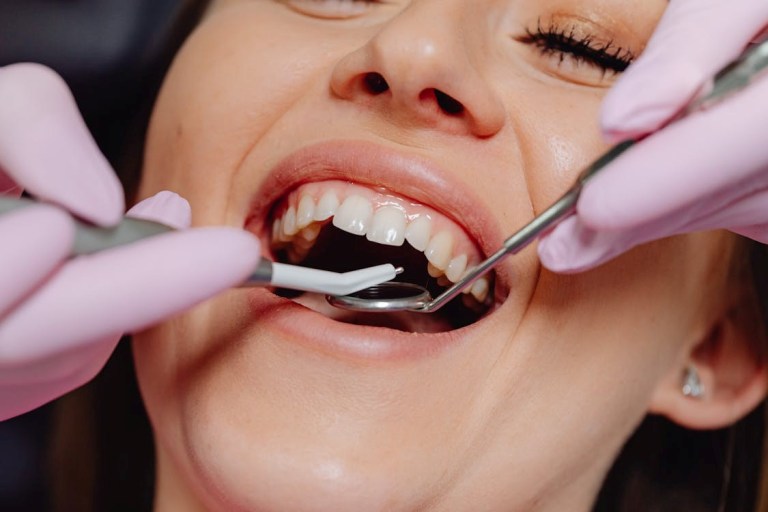
Your gums aren’t just a backdrop to your teeth—they often act as an early warning system for your overall health. People tend to overlook them until something feels off, but gums can reflect what’s happening inside your body long before other symptoms show up. In towns like Didcot, where community healthcare is valued and residents take pride in proactive well-being, oral health plays an increasingly important role. With easy access to dental care, locals have the opportunity to monitor and understand changes in their gums. Whether it’s inflammation, bleeding, or something more subtle, your gums may reveal deeper concerns that deserve attention.
- Bleeding Gums Aren’t Normal
Many people dismiss a bit of blood after brushing or flossing, assuming it’s no big deal. That’s a mistake. Bleeding gums usually signal inflammation, often due to plaque buildup. When bacteria collect around the gumline, they irritate soft tissue and trigger a response from your immune system. If ignored, this can lead to gum disease. Healthy gums never bleed regularly. When they do, it’s your body’s way of saying something’s off. Regular brushing and flossing help, but if bleeding continues, it’s time to consult a dental professional to catch problems early and prevent long-term damage.
- Swollen or Puffy Gums Could Signal Infection
Swelling in your gums isn’t just uncomfortable—it usually points to infection or inflammation. This could stem from early-stage gum disease (gingivitis) or more advanced conditions like periodontitis. In Didcot, many patients seek advice from a trusted Dentist Didcot residents recommend for their thorough care. Local practices don’t just focus on treatment—they educate patients about prevention, offering personalised hygiene plans and follow-up visits. Consistent swelling may also indicate a reaction to new medication or even an underlying condition like diabetes. Either way, a dental appointment offers the quickest route to understanding what’s going on.
- Receding Gums Might Mean More Than Ageing
People often assume receding gums are just a part of getting older, but that’s not always true. Gum recession can reveal brushing too aggressively, clenching your jaw, or suffering from gum disease. As gums pull back, tooth roots become exposed, leading to sensitivity and vulnerability to decay. Receding gums also make it easier for bacteria to settle deep under the gumline, which can accelerate bone loss if untreated. If you notice your teeth looking longer or feel more sensitivity near the gumline, your gums may be signalling the need for a gentler routine—or urgent dental care.
- Bad Breath That Doesn’t Go Away
Chronic bad breath, also known as halitosis, often originates from gum issues. It’s more than just an annoyance—it may point to hidden infections or decaying food particles trapped in pockets created by gum disease. The bacteria responsible for these smells thrive in places you can’t reach with a toothbrush alone. Gum disease often produces a distinct, unpleasant odour that mouthwash won’t fix. If your breath remains off despite your best efforts with oral hygiene, your gums might be harbouring a problem. A dental cleaning and deeper gum treatment can usually clear up the issue and restore confidence.
- Gums That Change Colour Deserve a Look
Healthy gums should look pink and firm—not red, white, or unusually dark. Any colour change may suggest an underlying problem, such as inflammation, infection, or even a nutritional deficiency. Red or dark gums often come with swelling and tenderness, while pale or white gums could signal anaemia or fungal infections. Even slight changes in gum colour can point to health shifts elsewhere in the body. Keep an eye out for areas that look different from the rest of your mouth. If something doesn’t look right, get it checked before it turns into a more serious condition.
- Loose Teeth Could Indicate Bone Loss
Loose adult teeth shouldn’t happen. If your teeth begin to feel wobbly or shift slightly, your gums may be trying to alert you to bone loss caused by advanced gum disease. When the supporting structures of your teeth weaken—whether from infection, poor hygiene, or smoking—the teeth can lose stability. Gum disease slowly breaks down the jawbone beneath the gums, leading to loose or misaligned teeth. If left untreated, tooth loss is likely. Pay attention if chewing feels different or you notice gaps developing. A dental check-up can help identify the root cause and provide a plan to stabilise your oral health.
- Painful Gums Are a Warning Sign
Your gums should never feel sore or painful. If they do, something isn’t right. Pain could come from an injury, infection, or gum disease. Sometimes, ulcers, abscesses, or even vitamin deficiencies can trigger gum pain. The discomfort may be sharp, dull, or persistent, but no type of pain in the gum area should go unchecked. Often, people mistake this for sensitivity or ignore it until it worsens. By the time the pain becomes constant, the issue may have spread deeper. Acting quickly helps protect not just your gums but your overall oral health and comfort.
- Gum Sensitivity to Food and Drink
If your gums sting or ache when eating or drinking hot, cold, spicy, or acidic items, they may be inflamed or damaged. Sensitivity often results from gum recession, where the root of the tooth becomes exposed. This condition allows nerve endings to react to external triggers. Over time, this can lead to avoidance of certain foods or drinks and discomfort during meals. This type of sensitivity usually points to enamel erosion, gum thinning, or infection. Treating the cause early through proper oral hygiene, desensitising products, or professional dental care can help ease discomfort and prevent further damage.
Your gums do more than hold your teeth in place—they tell a story about your overall health. Whether they’re bleeding, receding, swollen, or changing colour, every shift offers insight into what’s happening inside your body. Listen to what your gums are saying, and take their messages seriously. The earlier you respond to the signs, the better your chances of staying healthy—for your mouth and your entire body.
