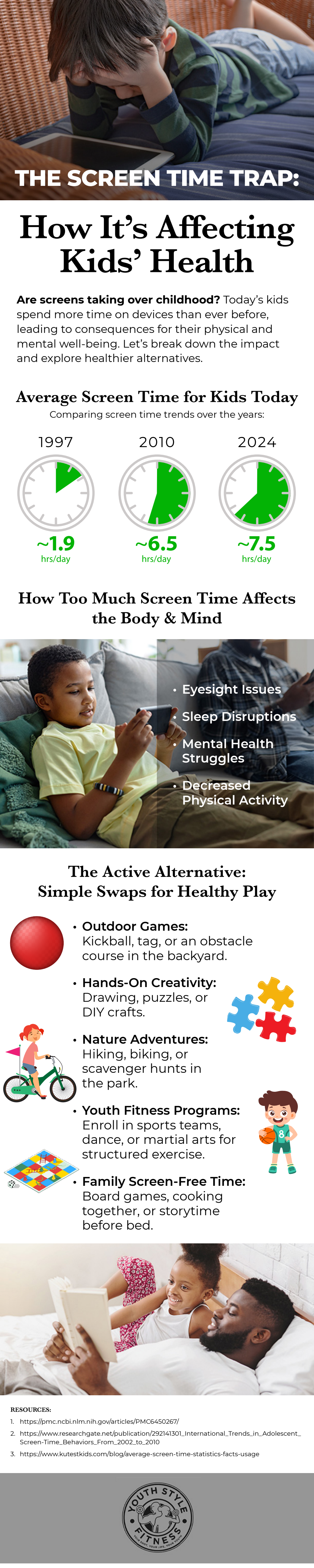
Screens are everywhere. Tablets, smartphones, televisions, and computers have become part of daily life, shaping how children learn, communicate, and entertain themselves. While digital access provides educational benefits and social connections, excessive screen time raises concerns about its effects on physical and mental health. Striking a balance between technology use and healthy habits is more important than ever.
Sleep Disruptions and Fatigue
A growing number of children struggle with sleep issues, and screen exposure plays a significant role. The blue light emitted from devices interferes with melatonin production, making it harder to fall asleep and stay asleep. Many children use screens right before bed, keeping their minds engaged when they should be winding down. Poor sleep quality leads to daytime fatigue, reduced concentration, and mood swings, affecting academic performance and overall well-being. Establishing screen-free time before bed and encouraging relaxation techniques can help improve sleep patterns.
The Rise of Sedentary Lifestyles
Spending hours in front of a screen often replaces time that could be spent on physical activity. Whether watching videos, gaming, or scrolling through social media, children are moving less than ever. A lack of movement contributes to poor posture, weight gain, and weaker muscles over time. Encouraging outdoor play, active hobbies, and structured fitness programs for kids can help counteract the negative effects of prolonged sitting. Even small changes, like setting screen time limits or incorporating movement breaks, make a difference in long-term health.
Mental Health and Emotional Well-Being
Excessive screen exposure is linked to rising cases of anxiety and depression in children. Social media, in particular, creates unrealistic comparisons and pressures that can impact self-esteem. Hours of screen time also reduce face-to-face interactions, limiting the development of essential social skills. While digital communication is valuable, it’s important for children to engage in meaningful, real-world conversations. Encouraging hobbies, family activities, and time away from screens supports emotional resilience and mental well-being.
Impact on Vision and Eye Strain
Staring at a screen for long periods causes digital eye strain, leading to dryness, headaches, and difficulty focusing. Children who use screens excessively may develop habits that strain their eyesight, increasing the risk of long-term vision issues. The 20-20-20 rule can help reduce strain. Taking a 20-second break every 20 minutes to look at something 20 feet away. Adjusting screen brightness and ensuring proper lighting in rooms where screens are used also contributes to eye health.
Finding Balance in a Digital World
Technology isn’t going away, and screens will remain a part of daily life. The goal isn’t to eliminate screen time entirely but to create a balanced approach that prioritizes health. Setting limits, encouraging outdoor activities, and promoting screen-free family time can create a healthier routine. Parents and caregivers play a crucial role in modeling healthy screen habits and guiding children toward a more active lifestyle.
Digital access can be valuable, but too much screen time comes at a cost. By making small adjustments and encouraging healthier habits, children can experience the benefits of technology without sacrificing their well-being. For more information, look over the accompanying infographic below.