


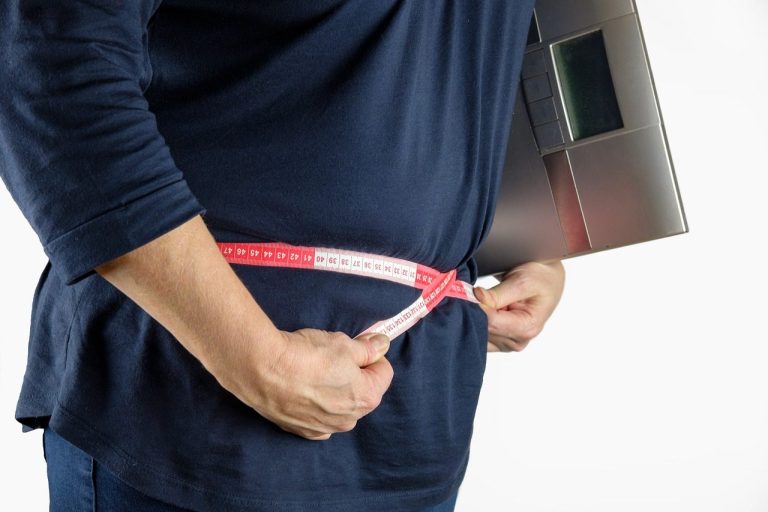
Losing weight can be a challenge, especially when stubborn fat refuses to go away despite regular exercise and a healthy diet. You may have experienced this yourself, spending months following a strict workout routine and eating right, only to find that certain areas of fat just won’t budge. It can be frustrating to put in so much effort and not see the results you expect. Many people struggle with fat in areas like the abdomen, thighs, and arms, and no matter how many crunches or squats they do, those stubborn pockets remain.
For some, the idea of turning to surgical procedures like liposuction may be tempting, but not everyone wants to take that route. Surgery comes with risks, high costs, and significant recovery time, making it less appealing for those who prefer a more natural approach. Fortunately, advancements in health and wellness have introduced several non-invasive methods to help reduce stubborn fat and achieve a more toned body without going under the knife.
The key to successful fat loss is consistency. A combination of non-surgical treatments, proper nutrition, strength training, and lifestyle changes can help you get rid of unwanted fat over time. The good news is that by making small, sustainable adjustments, you can see noticeable improvements in your body shape and overall well-being. If you are looking for ways to lose stubborn fat without surgery, this guide will help you explore safe and effective options.
Non-Surgical Fat Reduction Treatments
Advancements in technology have made it easier to target fat without surgery. Various treatments are available that break down fat cells and gradually eliminate them from the body. These procedures do not require incisions or long recovery periods, making them a great alternative for those looking for a non-invasive solution.
One popular option is non-surgical fat reduction, which includes treatments designed to reduce fat in specific areas without invasive procedures. These treatments use different methods, such as freezing fat cells, heating them, or breaking them down with laser energy. Some of the most common options include:
- Cryolipolysis (Fat Freezing): This treatment, also known as CoolSculpting, freezes fat cells, causing them to break down and get eliminated naturally by the body.
- Laser Fat Reduction: Laser energy is used to heat fat cells, which then shrink and get absorbed by the body over time.
- Radiofrequency (RF) Treatments: RF energy heats the skin and fat layers, breaking down fat cells while tightening the skin.
These treatments are non-invasive and require little to no downtime. However, they are not a quick fix and may require multiple sessions to achieve noticeable results.
Strength Training and Muscle Building
Building muscle is one of the most effective ways to burn fat. Many people focus only on cardio for weight loss, but strength training is equally important. When you build muscle, your body burns more calories even at rest, making it easier to lose fat over time.
Strength training exercises like squats, lunges, push-ups, and weightlifting help tone the body and improve overall fitness. Compound exercises, which target multiple muscle groups at once, are particularly effective in reducing fat. For example, squats and deadlifts work the legs, core, and back, making them excellent choices for fat loss.
It is essential to maintain a regular workout routine and gradually increase resistance to see results. Lifting heavier weights or using resistance bands can improve muscle tone and accelerate fat loss. Strength training also improves posture and boosts metabolism, making it a great addition to any fat-loss plan.
Diet and Nutrition for Fat Loss
Exercise alone is not enough to lose stubborn fat. A balanced diet plays a major role in achieving long-term fat loss. Eating the right foods can help speed up metabolism, regulate appetite, and support overall health.
Protein is an essential nutrient for fat loss. It helps build muscle, keeps you full for longer, and prevents overeating. Foods like chicken, fish, eggs, tofu, and legumes are excellent sources of protein.
Reducing sugar and refined carbohydrates can also help prevent fat accumulation. Processed foods, sugary drinks, and white bread can cause spikes in blood sugar, leading to increased fat storage. Instead, opt for whole grains, fruits, and vegetables that provide essential nutrients without unnecessary calories.
Hydration is another key factor in fat loss. Drinking enough water supports digestion, prevents bloating, and helps control hunger. Green tea and herbal teas can also aid in fat burning by boosting metabolism.
Portion control is important for preventing overeating. Mindful eating, which involves paying attention to hunger cues and eating slowly, can help regulate calorie intake without feeling deprived.
Lifestyle Changes and Daily Habits
In addition to exercise and diet, daily habits play a role in fat loss. Small lifestyle changes can make a big difference over time.
Managing stress is crucial, as high-stress levels can lead to fat storage, especially around the abdomen. Activities like meditation, yoga, and deep breathing exercises can help lower stress and prevent weight gain.
Getting enough sleep is also important. Poor sleep can disrupt hormone levels, increase cravings for unhealthy food, and slow down metabolism. Aim for at least seven to eight hours of quality sleep each night.
Staying active throughout the day, even outside of workout sessions, can help burn extra calories. Walking, stretching, or taking the stairs instead of the elevator can make a difference. Setting small movement goals, like getting up every hour to walk around, can contribute to overall fat loss.
Another helpful habit is tracking progress. Keeping a journal of workouts, meals, and measurements can provide motivation and help identify areas for improvement.
Losing stubborn fat without surgery is possible with the right approach. Non-invasive treatments, strength training, a balanced diet, and simple lifestyle changes can all contribute to fat loss. The key is to stay consistent and patient, as results take time.
While non-surgical fat reduction treatments offer additional support, they work best when combined with healthy habits. Make long-term changes and stay committed to your goals; you can achieve a leaner and healthier body.
The most important thing is to find a routine that works for you. Whether it’s through exercise, improved nutrition, or professional treatments, taking small steps toward a healthier lifestyle can help you reach your fat loss goals naturally and effectively.
