


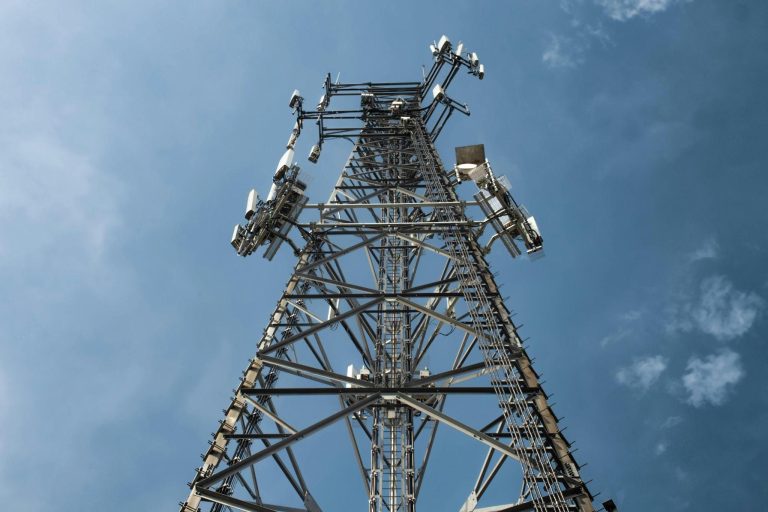
As wireless technology continues to evolve, so do the concerns about its potential impacts on human health. From cell phones and 5G networks to wearable devices and smart home systems, our daily exposure to electromagnetic fields (EMFs) continues to increase. However, the Federal Communications Commission (FCC) – the agency responsible for regulating the use of radiofrequency (RF) energy in the United States – has not updated its guidelines on EMF emissions since 1996.
This lack of progress has prompted advocacy groups, health experts, and lawmakers to call for reform. These groups argue that the FCC’s outdated regulations do not account for the vast changes in technology. Meanwhile, growing scientific evidence points to potential health risks. As these concerns come to the forefront, it’s important to explore the need for updated FCC guidelines.
The State of FCC Guidelines
The FCC’s current regulations focus on thermal effects, which refers to the heat generated in human tissue when exposed to RF radiation. These standards, established nearly three decades ago, were designed to prevent devices like cell phones from causing burns or overheating body tissues.
However, the world of 1996 was vastly different from today. Back then, fewer people owned cell phones, and Wi-Fi was still in its infancy. Today, the average person is surrounded by multiple RF-emitting devices at any given time, and emerging technologies like 5G are dramatically increasing the density of RF exposure.
Despite these advancements, the FCC’s guidelines remain unchanged, failing to address non-thermal effects like biological impacts that occur without heating. Recent studies suggest that prolonged exposure to low-level RF radiation could contribute to various health issues, including:
- DNA damage and oxidative stress
- Cognitive challenges such as memory loss and decreased focus
- Sleep disturbances
- Reproductive health concerns, including reduced fertility in men and women
- Potential links to increased risks of certain cancers
Why Updated Guidelines Are Crucial
The stakes for updated guidelines are high. Not only is there a need to address emerging scientific evidence, but also to consider the vulnerability of specific populations, such as children. Children’s developing brains and thinner skulls make them more susceptible to RF radiation, raising concerns about their prolonged exposure to devices like tablets and smartphones.
Advocacy groups, such as the Children’s Health Defense (CHD), have been at the forefront of this fight. In 2020, CHD filed a lawsuit against the FCC, arguing that its outdated standards ignored substantial evidence of harm. The U.S. Court of Appeals ruled in favor of CHD in 2021, criticizing the FCC for failing to consider newer studies on non-thermal effects.
Beyond advocacy groups, organizations like the American Academy of Pediatrics and state-level legislators have called for updated RF exposure limits that reflect today’s technological landscape. These recommendations include stricter emission limits and expanded public education about EMF risks.

https://www.pexels.com/photo/serious-ethnic-girl-with-smartphone-5905853/
Understanding FCC Certification
The FCC divides devices subject to certification into two categories based on how they use RF energy: intentional radiators and unintentional radiators.
Intentional Radiators
These are the devices that intentionally emit RF energy. Cell phones, Wi-Fi routers, and radios all fall under this category. Because they are specifically designed to transmit signals, they require certification or Supplier’s Declaration of Conformity (SDoC).
- Certification: This is a rigorous approval process for RF devices that could potentially interfere with radio services. Evaluation and testing is performed by an FCC-recognized laboratory in order to authorize certification.
- Supplier’s Declaration of Conformity (SDoC): The SDoC procedure requires the party responsible for the communication equipment to provide test results that prove the equipment is in compliance with FCC regulations if the FCC requests it.
Unintentional Radiators
Unintentional radiators are devices that use radiofrequency signals but are not intended to radiate RF energy. However, they do emit RF energy as a byproduct. These are devices such as computers, televisions, and most household appliances to name a few. Although these do not actively emit RF energy, the FCC is responsible for making sure these devices are made in a way that prevents harmful interference with other signals, therefore they are also subject to certification requirements.
Passive Devices
Passive devices do not actively transmit or receive RF signals. However, they do interact with existing RF energy around them. They don’t need an external power source to function, and they neither generate nor amplify RF energy. Types of RF passive devices include parts of circuits such as inductors and resistors, and antennas that are not hooked up to any kind of amplifiers. Because passive devices do not actively radiate energy, they are generally exempt from FCC certification. However, companies producing these devices must be able to prove that they do not interfere with the operation of other communication.
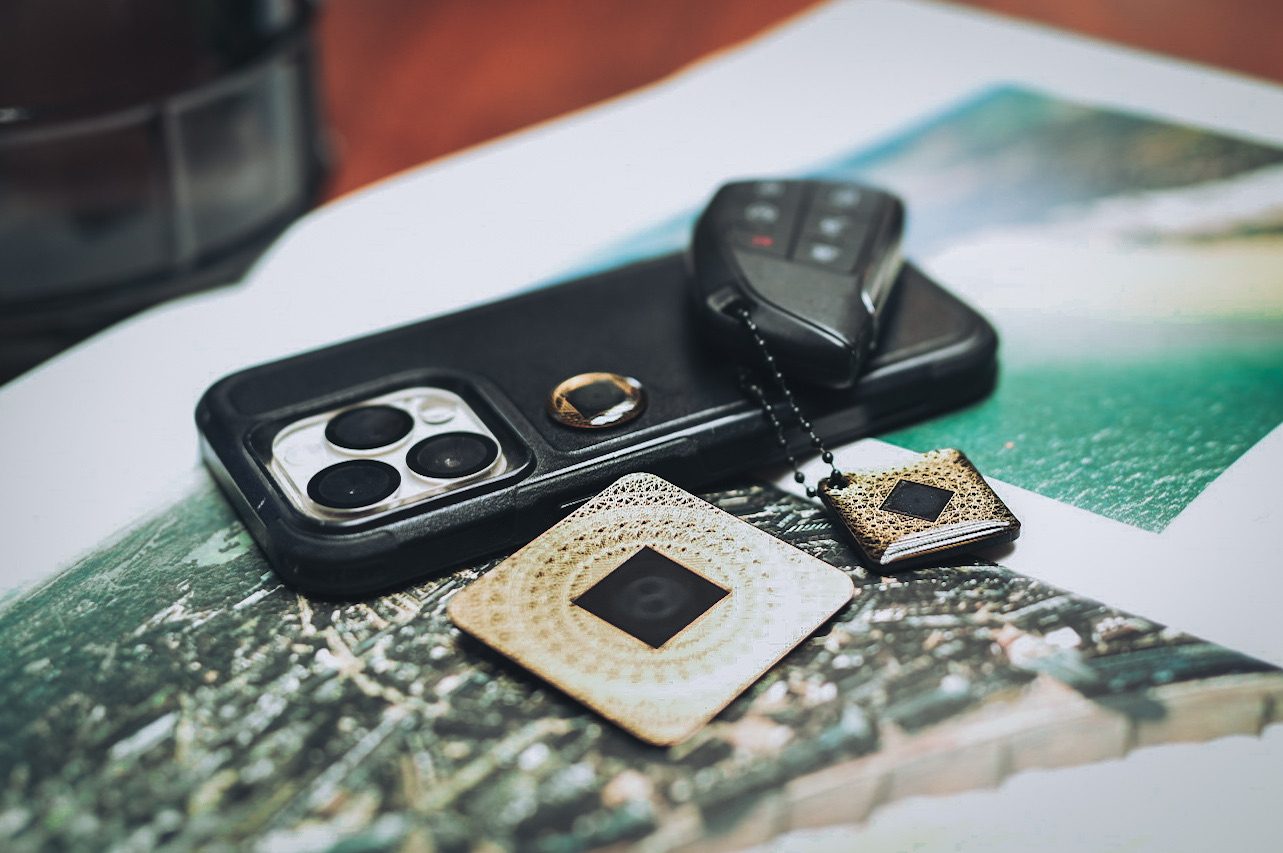
https://www.pexels.com/photo/serious-ethnic-girl-with-smartphone-5905853/
Understanding FCC Certification
The FCC divides devices subject to certification into two categories based on how they use RF energy: intentional radiators and unintentional radiators.
Intentional Radiators
These are the devices that intentionally emit RF energy. Cell phones, Wi-Fi routers, and radios all fall under this category. Because they are specifically designed to transmit signals, they require certification or Supplier’s Declaration of Conformity (SDoC).
- Certification: This is a rigorous approval process for RF devices that could potentially interfere with radio services. Evaluation and testing is performed by an FCC-recognized laboratory in order to authorize certification.
- Supplier’s Declaration of Conformity (SDoC): The SDoC procedure requires the party responsible for the communication equipment to provide test results that prove the equipment is in compliance with FCC regulations if the FCC requests it.
Unintentional Radiators
Unintentional radiators are devices that use radiofrequency signals but are not intended to radiate RF energy. However, they do emit RF energy as a byproduct. These are devices such as computers, televisions, and most household appliances to name a few. Although these do not actively emit RF energy, the FCC is responsible for making sure these devices are made in a way that prevents harmful interference with other signals, therefore they are also subject to certification requirements.
Passive Devices
Passive devices do not actively transmit or receive RF signals. However, they do interact with existing RF energy around them. They don’t need an external power source to function, and they neither generate nor amplify RF energy. Types of RF passive devices include parts of circuits such as inductors and resistors, and antennas that are not hooked up to any kind of amplifiers. Because passive devices do not actively radiate energy, they are generally exempt from FCC certification. However, companies producing these devices must be able to prove that they do not interfere with the operation of other communication.
