


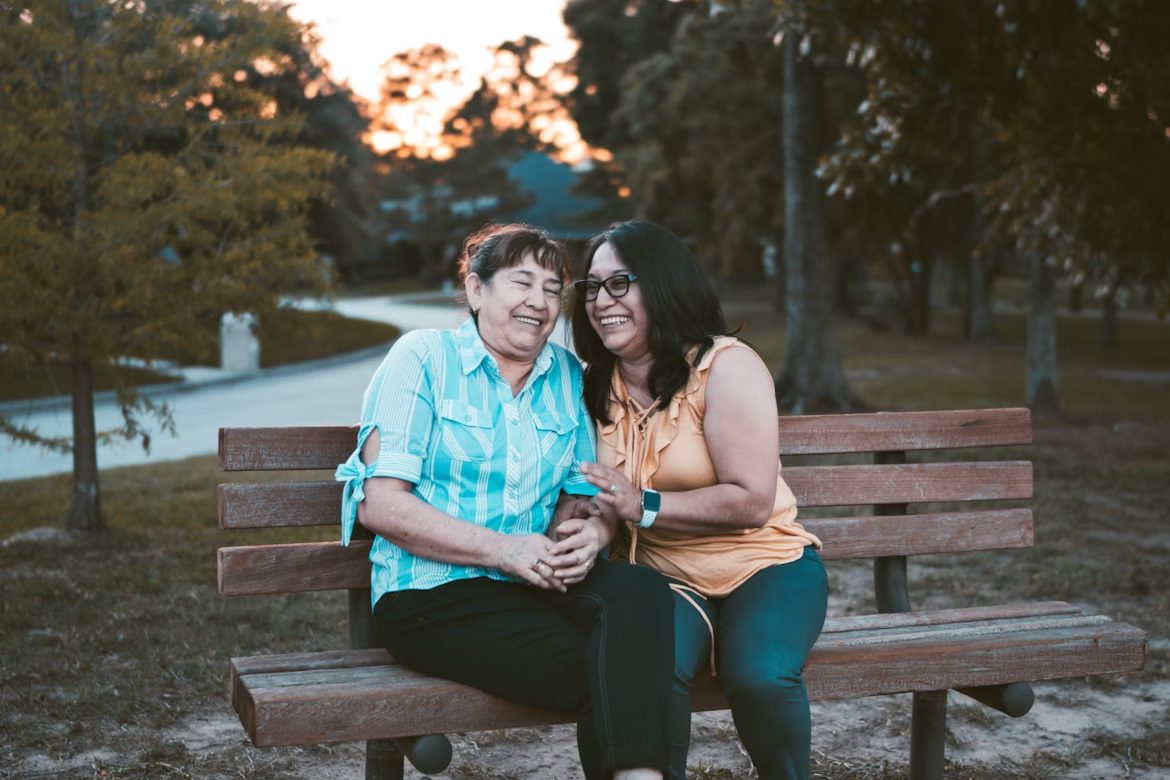
Image by Unsplash
Many individuals may expect to experience perimenopause and menopause at a certain age. For most, perimenopause symptoms are well-known, yet they impact everyone differently. Sometimes, they feel unexpected, affecting mental health in addition to physical processes. The modern age of women’s health care has introduced technologies to ease the transition. While it has challenges, perimenopause treatment becomes more advanced by the year for clinicians and patients.
Why Is Empowerment Important During Menopause?
People going through these phases in life need support. Cultural stereotypes and myths bog down the facts, such as that all women will gain weight and become irritable. Menopause affects everyone differently, and faulty claims prevent those going through it from feeling normal or cared for. This is why friends, family and practitioners must empower women experiencing everything from perimenopause periods to their 10th year of menopause. Support normalizes the subject and combats harmful language used against female experiences, such as “hysterical” or “sensitive.”
Empowerment also encourages those with perimenopause symptoms to learn and make informed choices about their treatment journey. If they feel erratic or depressed because of their symptoms, they might feel defeated or demotivated to seek advice.
This may include making lifestyle changes or simply scheduling with a clinician. One step in this direction starts a good habit of advocacy for self-care. Professionals can guide patients to other supportive environments, like seminars and counseling, to discuss their challenges.
This path makes individuals better equipped to self-manage their symptoms instead of feeling controlled by them. The average age at which women start going through menopause is 52, but it could be sooner, depending on the circumstances. All ages should feel equipped to handle it. Knowing strategies, expectations and realities of perimenopause and menopause will directly boost mental health, which is harder to juggle because of hormone changes.
What Are the Key Challenges During Perimenopause and Menopause?
Technology is entering the industry to make people feel more empowered by handling perimenopause and menopause’s biggest hurdles.
Symptom Tracking
Menopause and perimenopause symptoms can be challenging to track. They vary widely from person to person, where some may experience all and others few. Additionally, some technologies, such as cycle tracking apps, are not comprehensive enough to include all the side effects.
This includes hot flashes, night sweats, mood, sleep changes and more. People may also find it hard to track symptoms because they do not know what is attributable to perimenopause and menopause.
Information Access
Some are unable to understand conflicting information online about the treatment of menopause or how long perimenopause periods should last. It is hard to know what sources are reliable and what are not, especially when juggling symptoms or a treatment plan. While the internet and apps relay an abundance of information faster than ever, the confusing nature of it makes it difficult for people to trust themselves.
Psychiatric and Therapeutic Support
Counseling and prescription access is minimal in many places. Hormone replacement therapy (HRT) was shunned for many years, but many researchers are trying to breathe new life into the practice. Its reputation could make it hard to access, even though health benefits for those in menopause are notable.
How Can Health Care Providers Better Support Women Leveraging Technology?
What innovations are transforming care for future generations?
Thermal Relief
Hot flashes are unpredictable, so experts developed a wearable device to detect temperature shifts and respond to spikes in real time. A wave of cool provides immediate relief, preventing people from passing out or having their heart rate spike.
Eventually, wearable technologies will ascend to new heights. Menopause treatment could include a bracelet with biometric feedback, similar to smartwatches. This product could detect changes like hormone levels or provide suggestions or advice on how to respond immediately.
Telehealth
People may need a doctor quickly or have inconsistent transportation. Advanced telehealth is making wider access to clinical advice possible. Next-generation care is expanding its resources to include webinars, personalized health monitoring and community support. It goes beyond straightforward doctor-to-patient care to provide a network.
The future could incorporate augmented or virtual reality, making therapies and consultations more immersive and meaningful.
Pellet Therapy
Experts have devised machinery to inject pellets into people’s skin. These pellet implants slowly release hormones over several months. Despite it being under the skin, the method is minimally invasive and low maintenance, streamlining treatment for all.
Transdermal Patches for Hormone Delivery
Prescription technology has made HRT and similar treatment options more accessible. They deliver hormones through skin patches that release medication gradually, making symptom adaptation smoother.
The Future of Perimenopause and Menopause Treatments
Women’s health will still involve empathetic, in-person experiences with clinicians. Face-to-face support will always be a pillar for those going through this time of their lives. However, the advantages technology provides must not be understated. It could bring many people joy, comfort and relief when dealing with symptoms and treatment. Eventually, everyone will be able to walk into menopause feeling triumphant and healthy, and it could be because tech innovations guided them there.
