


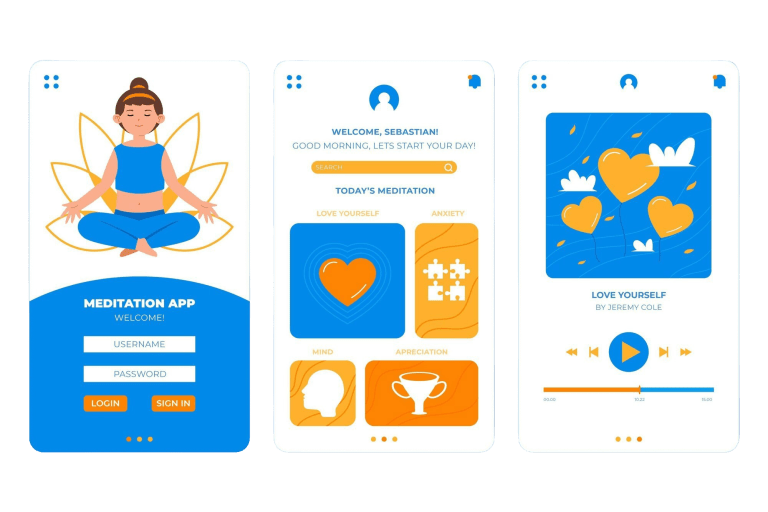
The journey to recovery from substance use disorder (SUD) is deeply personal and complex, but technology offers tools that can provide much-needed support. Sobriety apps have emerged as powerful allies, combining community, self-monitoring, and continuing care to help individuals maintain sobriety. These smartphone apps are designed to support users in tracking their sober days, preventing relapse, and fostering a sense of community.
- Community: Building Connections for Recovery
A sense of community plays a vital role in recovery. Research has consistently shown that individuals in recovery who feel connected to a supportive group experience a higher quality of life and better long-term outcomes. A study on recovery residences revealed that a sense of belonging and hope are predictors of improved recovery trajectories.
“Hope is both internalized and fostered by one’s community, such as peers, family members, and others supportive of one’s recovery.” – Stevens et al.
Sobriety apps create a virtual recovery space where users can connect with others through forums, chat rooms, or virtual meetings. These tools replicate the sense of community provided by traditional support groups but with added accessibility and convenience. While not a replacement for true community or treatment, sobriety apps can be an additional source of connection, especially early on when an individual in recovery is looking for those in a similar situation. Many apps also feature motivational quotes and shared milestones, reinforcing the user’s commitment to staying sober.
For example, SMART Recovery, a leading evidence-based program, offers digital tools for community engagement that focus on self-empowerment and peer support. Sobriety apps extend these benefits, allowing users to access this community anytime and anywhere.
Through this digital sense of belonging, sobriety apps help combat the isolation often associated with substance abuse recovery.
- Tracking Sobriety: The Power of Self-Monitoring
Tracking progress is a cornerstone of any successful recovery journey. Sobriety counters, common features of sobriety apps, allow users to measure their sober days, offering tangible proof of their achievements. This act of self-monitoring has been proven to cause positive behavior changes. Research refers to this as “measurement reactivity,” where the act of recording actions—such as staying sober—can lead to enhanced self-awareness and motivation.
For instance, many sobriety apps offer personalized insights, tracking trends over time. Users can review their habits, identify triggers, and celebrate recovery milestones with greater clarity. This self-reflection not only motivates users but also provides actionable data to share with therapists or support groups.
As one participant in the University of Minnesota study described, “Daily tracking helped me examine myself over the last 24 hours and see where I was with my mood, interactions, and overall recovery.”
The benefits of self-monitoring extend beyond personal awareness. By creating an ongoing log of sober days and emotional states, users can feel a sense of control over their recovery, fostering long-term resilience.
- Continuing Care: Sustaining Recovery Over Time
Recovery doesn’t end after initial treatment—it’s a long-term process requiring ongoing support. Continuing care, as described in a study on SUD treatment, is critical to maintaining the gains achieved in early recovery. Sobriety apps excel in this area by offering resources for relapse prevention, personalized reminders, and seamless integration with treatment programs.
One innovative feature of many sobriety apps is relapse prevention planning. These tools allow users to log triggers, identify coping strategies, and establish emergency protocols. Paired with motivational quotes and proactive alerts, these features reinforce the user’s commitment to staying sober.
Sobriety apps also provide links to external resources, such as treatment programs and local support groups like Alcoholics Anonymous. This connectivity ensures users remain engaged with the recovery community, even after completing structured programs.
The flexibility of sobriety apps means users can access tools for maintaining sobriety at any stage, whether they’re newly sober or years into their recovery.
- Relapse Prevention: Staying Ahead of Triggers
Relapse is a common concern in recovery, but sobriety apps provide tools to reduce its likelihood. By using real-time alerts and mood trackers, users can monitor their emotional states and take action before stressors lead to a relapse. For example, apps like A-CHESS feature tools to flag high-risk situations, provide relaxation exercises, and connect users with a support group instantly.
Studies show that proactive tools, such as automated recovery interventions, significantly reduce relapse rates compared to traditional care alone. For those with substance abuse disorders, having instant access to motivational resources can make all the difference in high-stress moments.
5. Motivation Through Technology
Technology has transformed the way individuals approach recovery, offering tools that are not only accessible but also deeply motivational. Sobriety apps harness the power of technology to provide users with daily reflections, progress badges, uplifting messages, and sobriety calculators—all of which help reframe recovery as a journey of growth rather than deprivation.
For example, the Loosid app includes many of these motivational features, such as sobriety trackers, connection opportunities with like-minded individuals, and daily encouragement to stay on track.
However, Loosid is just one of many free sobriety apps available today. Each app offers unique features tailored to different aspects of recovery. From progress tracking to community support, there’s a solution for everyone. If you’re curious about exploring other options, check out this list of 7 free sobriety apps to find the one that fits your journey.
By leveraging these tools, technology continues to empower individuals on their path to recovery, making sobriety not just achievable but an inspiring milestone worth celebrating.
Conclusion: Empowering Recovery Through Sobriety Apps
Sobriety apps combine cutting-edge technology with proven recovery strategies to offer a comprehensive toolkit for maintaining sobriety. From building a supportive community to tracking sober days and providing ongoing care, these apps empower individuals to take control of their recovery. Their features reinforce the idea that recovery is not just about avoiding substances but embracing a fulfilling, substance-free life.
By leveraging these tools, individuals can foster long-term growth and resilience, proving that recovery is a journey worth celebrating.
