


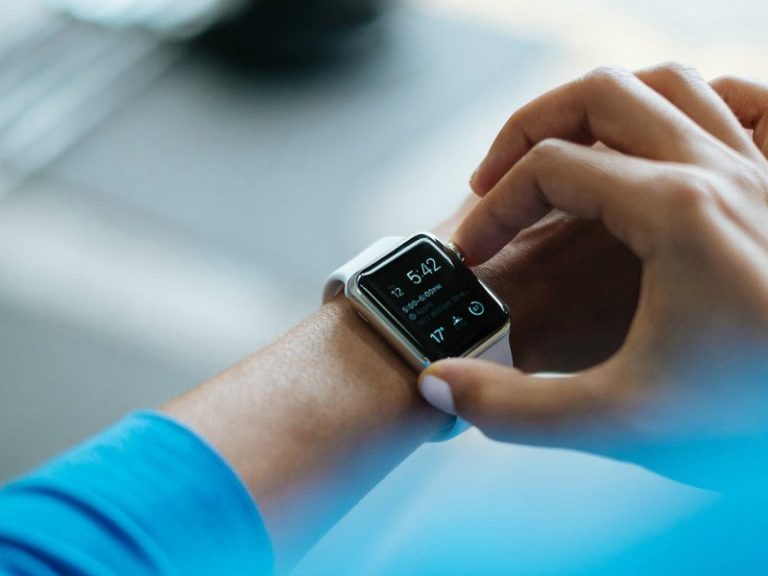
The way we monitor and manage health has changed dramatically thanks to wearable technology. Today, with just a relatively small device slapped around the wrist, we can track our heart rhythms, blood oxygen levels, and even sleep patterns, making it easier to stay on top of our well-being. But like any innovation, using wearable technology in healthcare comes with its fair share of challenges. This article sheds light on how these devices work, their pros and cons, and how they might shape the future of healthcare. Read on.
What Is Wearable Technology in Healthcare?
Wearable technology in healthcare refers to small, portable devices that people can wear on their bodies to monitor various aspects of their health. These devices often come equipped with sensors that collect and share data like blood pressure, heart rate, oxygen levels, or even sleep patterns. The main purpose of these devices is to offer real-time insights into a person’s health, making it possible to catch potential health issues on time and manage them before they become serious [1].
For example, a smartwatch with a heart rate monitor helps users track their fitness levels daily. On the other hand, medical-grade wearables like continuous glucose monitors (CGMs) assist people with diabetes in keeping their blood sugar levels in check. The history of medical wearables goes back further than you might think. It started with simple pedometers and hearing aids but has now evolved into more sophisticated devices that can monitor blood sugar levels and even detect falls.
Today’s medical wearable technology combines advanced sensors with AI to make them more accurate, user-friendly, and reliable. Whether it’s for general fitness or managing specific health conditions, wearable technology in healthcare has become an important part of modern medicine.
The Role of Wearable Technologies in Healthcare Industry
Although few realize it, wearable technology plays a huge role in the healthcare industry. But how does wearable technology improve health? Well, they provide a bridge between patients and healthcare providers by offering continuous and accurate health data. Doctors and specialists can use this data to make informed decisions about a patient’s health without relying solely on them visiting regularly.
For example, patients with cardiological challenges benefit from wearable ECG monitors that send data directly to their healthcare team. This allows doctors to detect irregularities much faster and attend to them, reducing the risk of severe complications. Similarly, fitness trackers encourage healthier lifestyles by nudging users to meet activity goals or improve their sleep. For example, apps on fitness watches can prompt users on their daily steps and remind them to reach their daily recommended goal to help them stay healthy and fit.
Beyond individual use, wearable tech also contributes to large-scale health trends. The collected data helps researchers better understand population health and identify lifestyle patterns and emerging health risks [2]. By integrating artificial intelligence (AI) and advanced analytics, these devices are becoming even more effective in predicting potential health issues.
Types of Medical Wearable Devices
There are several types of medical wearable devices, and they come in different forms, each one designed to meet specific health needs. While the tech powering these tools keeps evolving and more products are continually brought to market, here are the wearable devices that are available today [3][4]:
- Fitness trackers: These are the most popular wearable devices. Fitness trackers, like Fitbit or Garmin, monitor metrics such as steps taken, calories burned, and heart rate. They encourage users to stay active and adopt healthier habits.
- Smartwatches: Smartwatches like the Apple Watch or Samsung Galaxy Watch go beyond fitness tracking. These devices are equipped with advanced sensors that can measure blood oxygen levels, perform ECGs, and even detect irregular heartbeats. While they may seem small and insignificant, they offer medical-grade insights just from the wrist of the wearer.
- Continuous Glucose Monitors (CGMs): CGMs are life-changing for people with diabetes. Devices like the Dexcom G6 monitor blood sugar levels in real-time. This means that individuals who need to prick their fingers constantly to check their blood sugar no longer have to do so. All they need to do is scan the device with a smartphone app, and the app will display their current blood sugar level. The data obtained from this device can sync with smartphones, helping users make better dietary and lifestyle choices on the go.
- Wearable ECG monitors: These devices, such as the Zio Patch, are designed for people with heart conditions. They continuously monitor heart rhythms over several days, providing medical professionals with data to diagnose arrhythmias or other cardiac issues.
- Sleep trackers: Some wearables are designed specially for sleep. These devices, commonly called “sleep-focused wearables,” analyze sleep patterns over time and offer insights into sleep quality. Devices like Oura Rings or headbands with built-in sensors measure brain activity, helping people address conditions like insomnia or sleep apnea.
Medical wearables are constantly evolving, getting smaller and smaller while featuring more advanced features that make health monitoring more personalized and accessible.
Advantages of Implementing Medical Wearables
Medical wearables are life-changing, and their benefits extend far and wide, positively impacting patients and healthcare providers. Some of the advantages of using them include [5][6]:
- Early detection of health issues: Wearables can identify potential health problems before symptoms worsen. For instance, a smartwatch detecting irregular heartbeats can prompt users to seek medical advice early, reducing the risk of serious complications. This early intervention not only saves lives but also prevents costly treatments later on;
- Real-time monitoring: Medical wearables allow for continuous glucose monitoring of vitals, which can be helpful, especially for people with chronic conditions. A person with diabetes using a CGM can adjust their lifestyle based on real-time glucose readings. This reduces the likelihood of emergencies while offering peace of mind to both patients and caregivers;
- Improved patient engagement: These devices encourage users to take charge of their health. By tracking daily metrics like activity levels, wearables help users stay motivated to achieve fitness or health goals. For example, an individual taking a “smart drug,” such as ArmodaXL 150, to treat narcolepsy or any other sleep disorder can track their sleep pattern to determine how effective the drug is. Based on this information, they may decide to adjust their dosage, consult their doctor for further recommendations, or make lifestyle changes like improving their sleep hygiene. Over time, this level of engagement with feedback loops can promote healthier habits that may improve long-term health;
- Cost savings for both patients and healthcare systems: Detecting and managing chronic conditions early (via remote monitoring) reduces the need for hospital visits and emergency care. Over time, this helps cut down on healthcare costs that patients would have spent on expensive hospital visits. Wearables are also beneficial to insurance providers, as their potential to help prevent complications associated with chronic conditions can lower long-term expenses.
What’s more, if aggregated, the data from wearables can give researchers valuable insights into public health trends. But beyond providing them with information that can help study the impact of various health behaviors, it can also be used to determine or develop more effective interventions. For instance, analyzing sleep data from wearables could lead to breakthroughs in treating sleep disorders in shift workers.
What Are the Disadvantages of Wearable Technology in Healthcare?
While medical wearables bring many benefits, they also come with challenges that need attention. Here are some of the main disadvantages [7]:
- Privacy and data security concerns: Wearables collect a lot of sensitive health data, which raises concerns about privacy. If not protected properly, this information could be misused or fall into the wrong hands. Examples include data breaches in health-tracking apps that expose users’ medical histories, potentially leading to identity theft or discrimination. In one recent event, a breach in a fitness app revealed the real-time locations of bodyguards, exposing sensitive information about high-profile individuals. Such data breaches can put users in harm’s way;
- Accuracy issues: Despite advancements, wearable devices may not always provide 100% accurate readings. For instance, fitness trackers might miscount steps or sleep trackers might misinterpret movement as sleep. Inaccurate data can lead to confusion or even incorrect health decisions, which can be dangerous when measuring data like heart rates. For example, when Marques Brownlee, one of the biggest tech reviewers, tried tracking his steps with different wearable devices, they all gave different results. His little experiment showed that even the most advanced wearable devices can still have limitations in terms of accuracy;
- High costs: Many wearable devices, especially those with advanced features, can be expensive. Not everyone can afford a smartwatch or continuous glucose monitor. Additionally, some devices require ongoing costs, like subscription fees for apps or accessories; this makes them less accessible for low-income individuals;
- Issue with comfort: Some wearables can be bulky, heavy, or made with materials that cause skin irritation, especially when worn for extended periods. For instance, fitness bands with rigid designs might dig into the skin during physical activity, or chest straps used for heart rate monitoring can feel restrictive. These discomforts can discourage regular use and, as a result, defeat the purpose of these devices as continuous health trackers;
- Requirement for frequent charging: Another drawback people often complain about is the need for frequent charging, particularly for devices with advanced features like heart monitoring or GPS. Users often complain that they forget to charge their devices, rendering them unusable when needed. For example, a person might miss tracking a workout or monitoring sleep simply because the battery died. This inconvenience can reduce the overall reliability and practicality of wearable technology.
While these disadvantages exist, improvements aimed to address them are ongoing to make wearables more reliable and user-friendly.
The Future of Wearable Technology in the Healthcare Industry
Wearable technology is great in its current state. However, there’s always room for improvement. Manufacturers will continue to improve on it, aiming to erase the current challenges and achieve greater accuracy, longer battery life, and more advanced features. Based on current trends, its impact on healthcare is expected to grow exponentially. Here’s what many believe wearables of the future are going to be:
- Smarter and more accurate: Future wearables will likely become even more precise in monitoring health metrics. Advances in AI and sensor technology will ensure they read data more accurately, making them reliable for both personal and clinical use. For example, wearables might count steps and heart rates more accurately. They may even detect diseases like Parkinson’s or cancer in their earliest stages.
- Better integration with healthcare systems: Future devices are expected to sync effortlessly with healthcare systems. This will allow doctors to access real-time data directly from wearables without having to do so much. Imagine a patient’s smartwatch sending heart rate data to their doctor’s dashboard during a telemedicine appointment at the click of a button. If executed perfectly, this is likely to improve patient diagnoses and treatment outcomes.
- Personalization through big data: By analyzing massive amounts of data, wearable technology will offer highly personalized health insights. Devices could predict how a specific individual might react to a workout or a medication based on their history and, as a result, tailor recommendations to their unique needs.
- Expanded used care: Wearables will likely move beyond fitness and chronic conditions. Innovations could include devices for mental health monitoring, hydration tracking, or early detection of infections. Some companies are already exploring wearables that predict migraines or track medication adherence.
- Affordability and accessibility: As technology advances and production costs decrease, wearable devices will become more affordable. This will make them accessible to more people, bridging gaps in health monitoring and management worldwide.
What’s more, the future will likely bring eco-friendly wearables made with sustainable materials. These devices may also feature longer battery life and simplified interfaces to cater to a broader range of users, including seniors.
In Closing
So far, wearable technology has been so good. From allowing users to monitor vital signs from the comfort of their homes to aiding in early detection of certain diseases, these devices offer countless benefits that empower individuals and improve medical care. While they come with some challenges, like any innovation, we can expect them to be addressed as the technology evolves. This will lead to even more accurate, affordable, and user-friendly devices that could become an essential part of everyday healthcare.
References
- The Role of Wearable Technology in Healthcare. By Stronghold Data. Retrieved: November 20, 2024. Strongholddata.com.
- Wearable Technology in Healthcare and Its Benefits. By KMS Staff. Retrieved: November 20, 2024. Kms-healthcare.com.
- The Powerful Opportunities of Wearable Technology in Healthcare. By Henry Evans. Retrieved: November 20, 2024. Velvetech.com.
- Wearable Health Monitoring Devices: Benefits and Considerations. Updated by Simantini Karve, PhD. Fact checked by Alifia Fernandes Jokubauskienė, MPharm. Retrieved: November 20, 2024. Healthnews.com.
- 5 Benefits of Medical Grade Wearables. By João Bocas. Retrieved: November 20, 2024. Digitalsalutem.com.
- Wearable Technology in Healthcare: What are the Benefits for Patients, Hospitals and Caregivers? By João Bocas. Retrieved: November 20, 2024. Linkedin.com.
- The Advantages And Disadvantages Of Wearable Technology. Retrieved: November 20, 2024. Wersports.com.
